
NEWS
Prefabricated Container House Industry: Emerging Trends and New Opportunities in Modular Construction
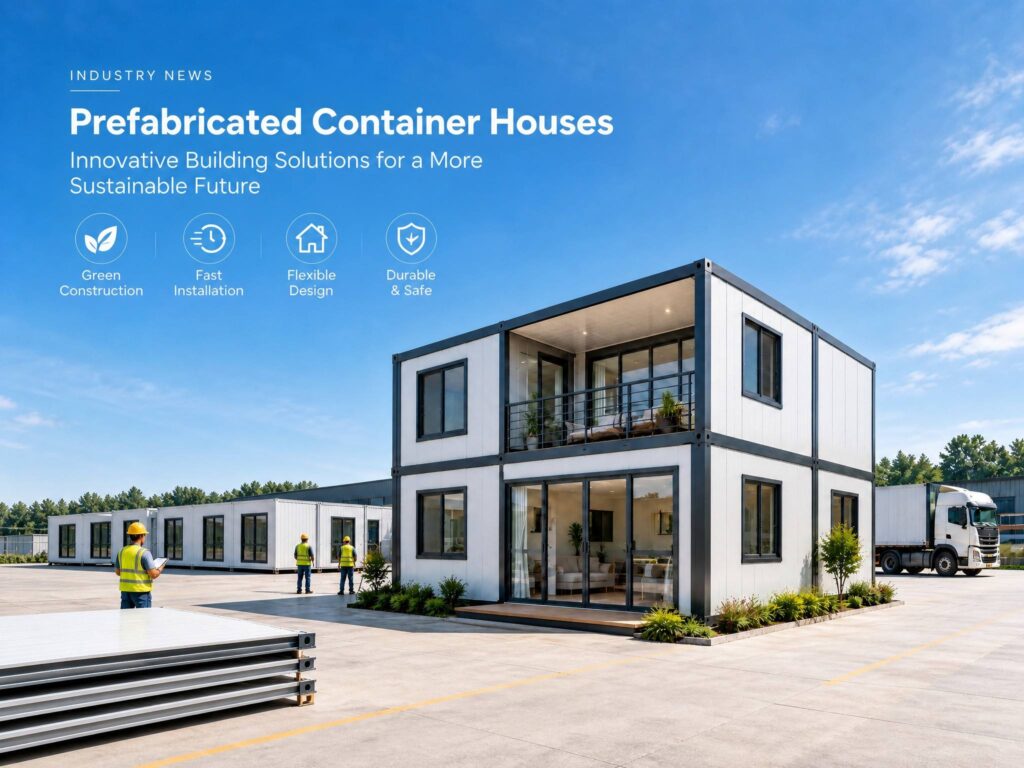
Date: October 23, 2026Category: Industry News The Prefabricated Container House Industry Continues to Evolve The prefabricated container house industry is gaining attention as the global construction sector explores more efficient, flexible, and sustainable building solutions. With increasing interest in modular construction, affordable accommodation, and faster…
Date: October 23, 2026
Category: Industry News
The Prefabricated Container House Industry Continues to Evolve
The prefabricated container house industry is gaining attention as the global construction sector explores more efficient, flexible, and sustainable building solutions. With increasing interest in modular construction, affordable accommodation, and faster project delivery, prefabricated container houses are becoming an attractive option for a wide range of residential, commercial, and industrial applications.
According to the Modular Building Institute’s 2026 industry reports, the U.S. permanent modular construction market reached $20.5 billion in 2025, highlighting the growing role of factory-built construction in the building industry. Although container houses represent one segment of this broader market, the trend reflects increasing interest in off-site manufacturing and modular building technologies.
Key Trends Shaping the Container House Industry
1. Growing Demand for Fast and Flexible Construction
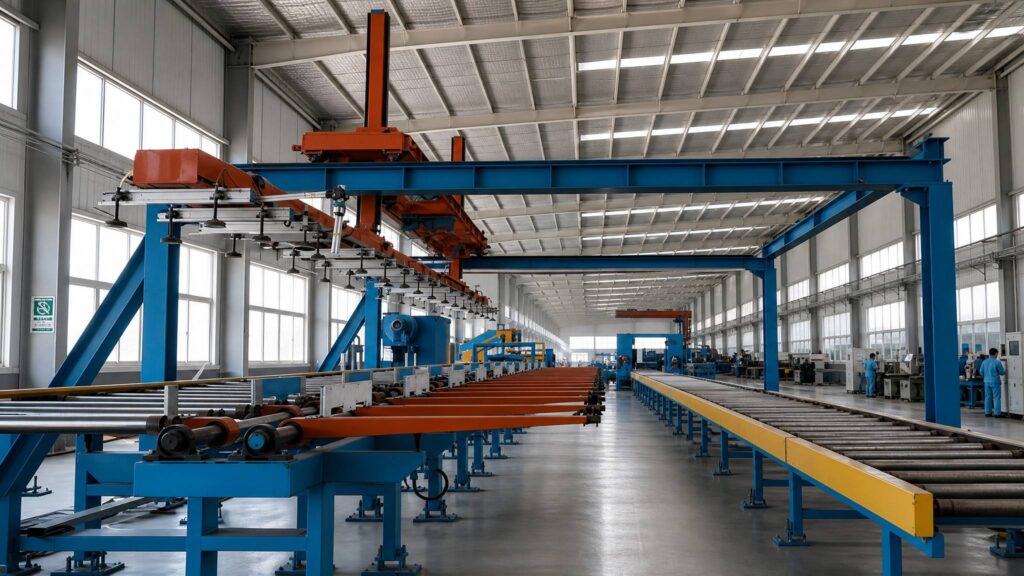
One of the major advantages of prefabricated container houses is their efficient installation process. Many structural components can be manufactured and assembled in a factory before transportation to the project site, helping reduce on-site construction work.
This approach is particularly useful for construction worker accommodation, temporary offices, remote project facilities, emergency housing, and other projects where installation schedules are important.
Compared with conventional construction methods, prefabricated solutions can also simplify project coordination when designs, transportation, foundations, and installation requirements are planned properly.
2. Increasing Popularity of Modular and Expandable Designs
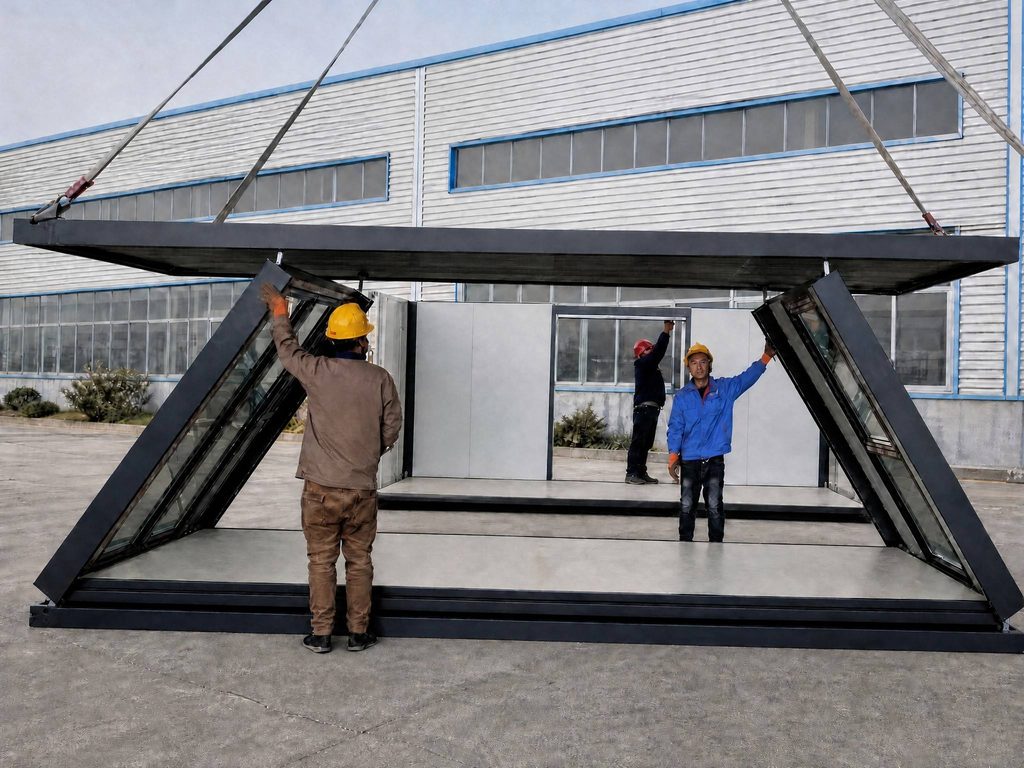
Flexibility is becoming an important consideration for buyers seeking adaptable building solutions. Modern prefabricated container houses are available in various configurations, including standard container units, expandable container houses, and Z-type folding container houses.
Expandable container houses can provide additional interior space when deployed, while folding container houses are designed to reduce their transportation footprint. These designs can be suitable for projects requiring multiple accommodation units, temporary facilities, or scalable living spaces.
By selecting the right structure and layout, buyers can adapt their projects to different site conditions, space requirements, and future expansion plans.
3. Greater Focus on Quality and Energy Efficiency
As customer expectations continue to evolve, manufacturers are placing greater emphasis on product quality, insulation performance, structural reliability, and interior comfort.
Important considerations include steel frame strength, wall and roof insulation, waterproofing, ventilation, electrical systems, and door and window performance. Depending on the intended application and local climate, buyers may also require enhanced thermal insulation, fire-resistant materials, or energy-efficient equipment.
For manufacturers, maintaining consistent production standards and providing clear technical specifications are essential steps toward meeting international customer expectations.
4. Expanding Applications Across Multiple Industries
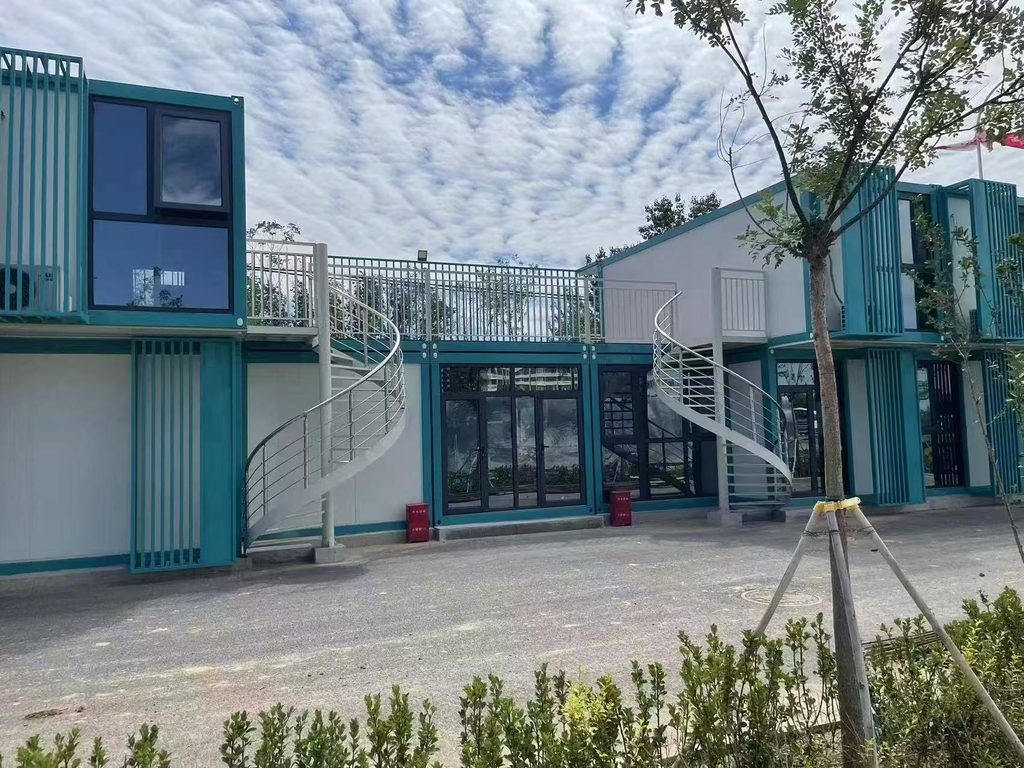
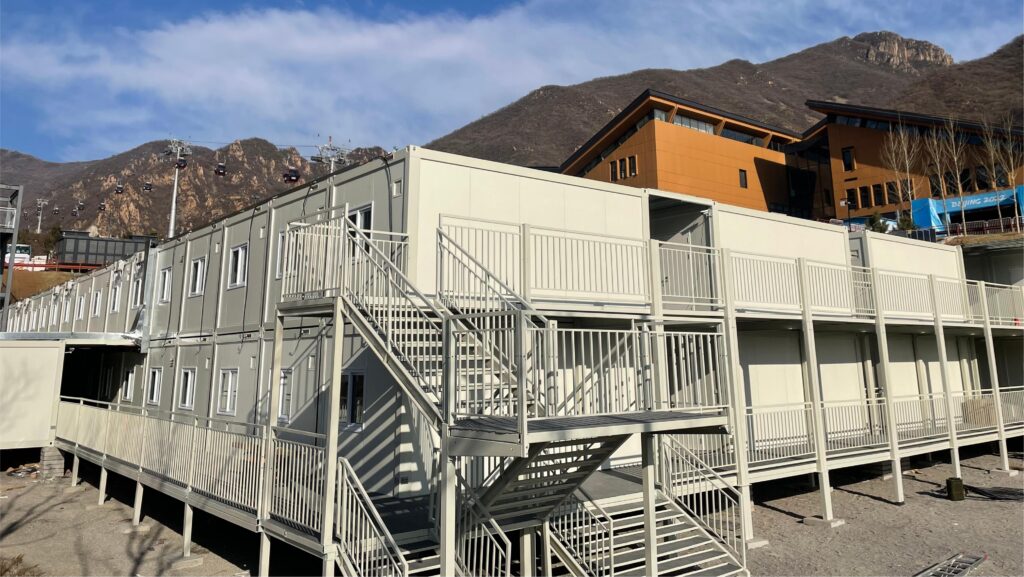
Prefabricated container houses are no longer limited to construction site accommodation. Their modular structure allows them to serve a variety of purposes, depending on the product design and applicable building regulations.
Common applications include:
- Construction sites: Worker dormitories, site offices, and management facilities.
- Residential projects: Modular homes, backyard accommodation, and compact living spaces.
- Tourism and hospitality: Campsites, holiday cabins, and accommodation units.
- Commercial facilities: Pop-up shops, temporary offices, and sales centers.
- Industrial projects: Remote workforce housing, project support buildings, and site facilities.
- Emergency response: Temporary shelters and rapidly deployable accommodation.
This range of applications creates opportunities for manufacturers to develop customized products for different markets and customer requirements.
Opportunities for Prefabricated Container House Manufacturers
As international buyers evaluate modular building solutions, manufacturers have opportunities to differentiate themselves through product innovation, customization, and reliable project support.
Rather than focusing solely on the initial purchase price, buyers increasingly need to consider the complete project requirements, including product specifications, shipping dimensions, installation methods, local building codes, and long-term maintenance.
For container house manufacturers, several areas deserve particular attention:
- Developing standardized products with flexible customization options.
- Improving factory production efficiency and quality inspection.
- Offering different insulation systems and interior configurations.
- Providing clear drawings, technical specifications, and installation guidance.
- Optimizing packaging and loading plans to support international transportation.
- Understanding the certification and compliance requirements of target markets.
These measures can help manufacturers build stronger relationships with overseas distributors, contractors, developers, and project owners.
Challenges and Considerations in the Global Market
Despite the opportunities, the prefabricated container house industry still faces challenges. International transportation costs, raw material price fluctuations, import requirements, and local construction regulations can all affect project feasibility.
In addition, not every container house is automatically suitable for permanent residential use. Structural design, foundation requirements, insulation, fire safety, electrical installation, and local approval processes must be evaluated according to the intended application and destination market.
Successful projects therefore depend on more than an attractive product design. They require coordination between the manufacturer, buyer, logistics provider, and local construction team.
Looking Ahead: Innovation in Prefabricated Container Housing
The future of the prefabricated container house industry will likely be shaped by greater product customization, improved manufacturing processes, more flexible modular designs, and increasing attention to building performance.
Expandable and folding container houses may offer practical advantages for projects where transportation efficiency and space utilization are key priorities. Meanwhile, standard modular units remain an important option for projects that require repeatable layouts and scalable accommodation.
For buyers, selecting a suitable manufacturer means evaluating product quality, technical support, customization capabilities, and experience with international projects—not simply comparing prices.
As modular construction continues to develop, prefabricated container houses are well positioned to serve a diverse range of building needs across residential, commercial, industrial, and temporary accommodation markets.
Looking for a reliable prefabricated container house solution? Contact our team to learn more about our container house products, customization options, and solutions for your next project.
Note: Product specifications, delivery schedules, and compliance requirements vary by model and destination market. Please consult the manufacturer for project-specific information.
KEEP EXPLORING
More News
News Article
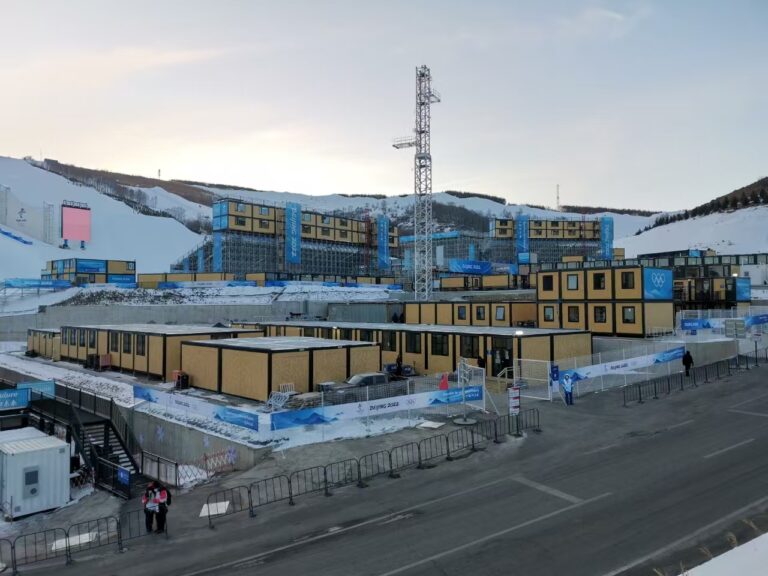
Project Spotlight: Prefabricated Container Buildings for the Beijing 2022 Winter Olympics in Zhangjiakou
Prefabricated container buildings supplied for the Beijing 2022 Winter Olympics in Zhangjiakou, delivered and assembled on a snow-covered mountain site under winter conditions.
View Details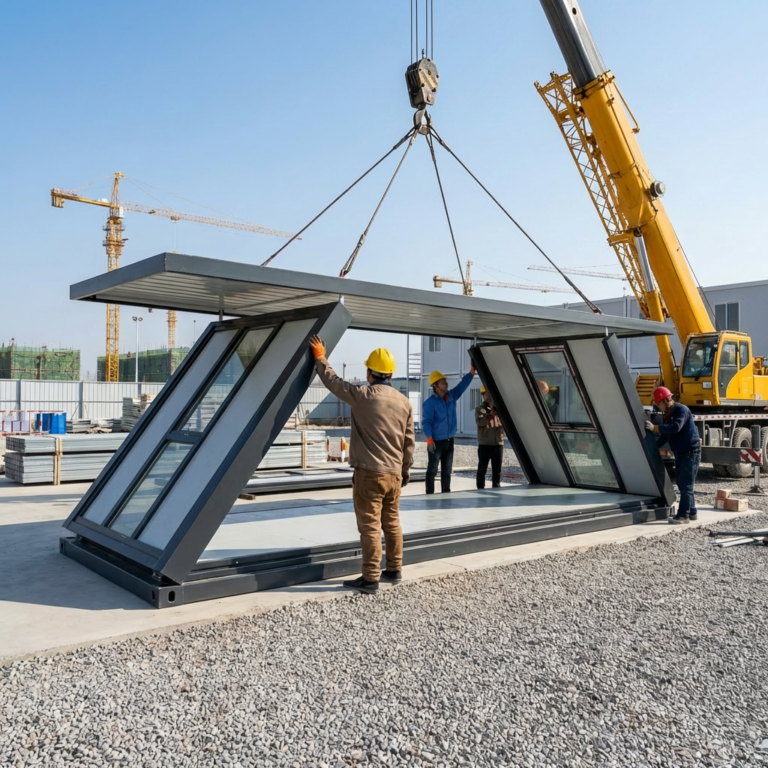
News Article
Z-Type Folding Container House: An Innovative Solution for Fast and Flexible Modular Construction
A Z-type folding container house is a folding modular building that packs flat for transport and unfolds on site within minutes, cutting shipping costs by up to 80%. This article…
View Details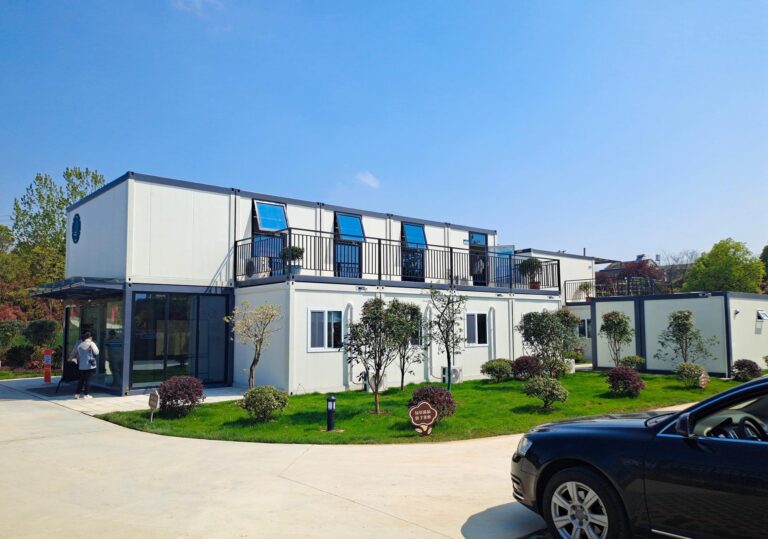
News Article
Why Prefab Container Homes Are Gaining Attention in Global Housing Projects
Prefab container homes are increasingly used for accommodation, resorts, offices and modular housing projects due to factory production, flexible layouts and efficient on-site installation.
View Details