
NEWS
Do You Need a Permit for a Container House? A Country-by-Country Overview
As prefabricated container houses continue to gain popularity worldwide, understanding local building regulations and permit requirements has become an important step for buyers, developers, and construction companies. Container houses are increasingly being used for residential accommodation, temporary housing, construction site offices, worker dormitories, commercial spaces,…
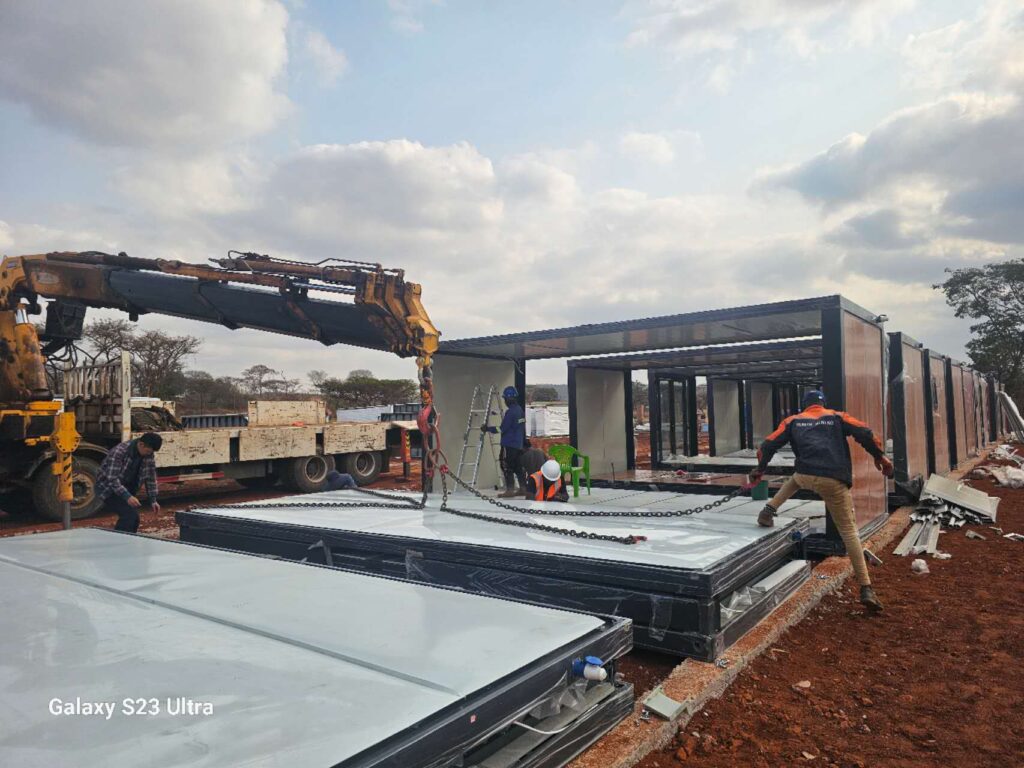
As prefabricated container houses continue to gain popularity worldwide, understanding local building regulations and permit requirements has become an important step for buyers, developers, and construction companies.
Container houses are increasingly being used for residential accommodation, temporary housing, construction site offices, worker dormitories, commercial spaces, and other modular building projects. Their fast installation, flexible design, and cost-effective construction make them an attractive alternative to traditional buildings.
However, one common question remains: Do you need a building permit for a container house?
The short answer is yes, in most cases. However, the specific requirements depend on the country, local planning regulations, intended use, building size, and whether the structure is temporary or permanent.
Let’s take a closer look at container house permit requirements in several major international markets.
1. United States: Local Building Codes and Zoning Regulations
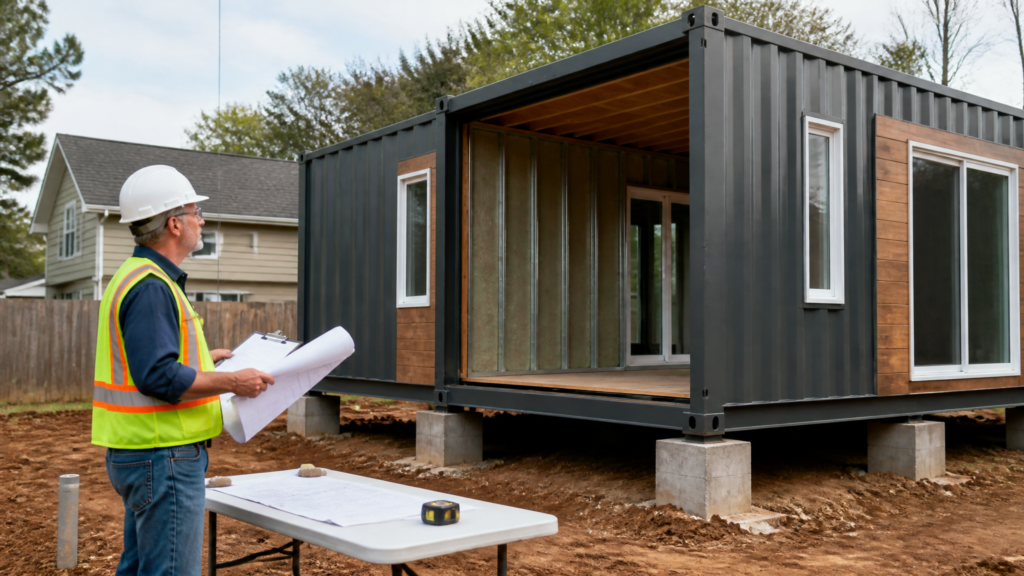
In the United States, container house regulations are generally determined by state and local authorities. There is no single nationwide permit system specifically designed for container homes.
For permanent residential container houses, property owners typically need to obtain building permits and comply with applicable building codes, zoning regulations, and safety standards.
Important considerations include:
- Zoning approval: Confirm whether residential or commercial container buildings are permitted on the selected property.
- Building permits: Submit construction drawings, structural calculations, and other required technical documents.
- Foundation requirements: Permanent installations may require approved foundations and anchoring systems.
- Utility connections: Electrical, plumbing, water supply, and wastewater systems may require separate approvals.
In some locations, temporary container structures may have simpler approval procedures. However, temporary use does not automatically mean that a permit is unnecessary.
For example, the City of San Diego requires building permits for cargo containers used as buildings, along with additional permits for utility connections where applicable.
2. United Kingdom: Planning Permission and Building Regulations
In the United Kingdom, container houses intended for permanent residential use generally require careful planning approval and compliance with building regulations.
The local planning authority evaluates whether the proposed development is suitable for the property and surrounding area.
Key requirements may include:
- Planning permission for the proposed residential or commercial use.
- Compliance with building regulations.
- Structural stability and fire safety.
- Thermal insulation, ventilation, and energy efficiency.
- Appropriate drainage and utility connections.
A container used temporarily for storage may be treated differently from a container converted into a permanent living space.
For buyers planning to install a modular container house in the UK, consulting the local planning authority before purchasing is strongly recommended.
3. Canada: Provincial Building Codes and Municipal Approval
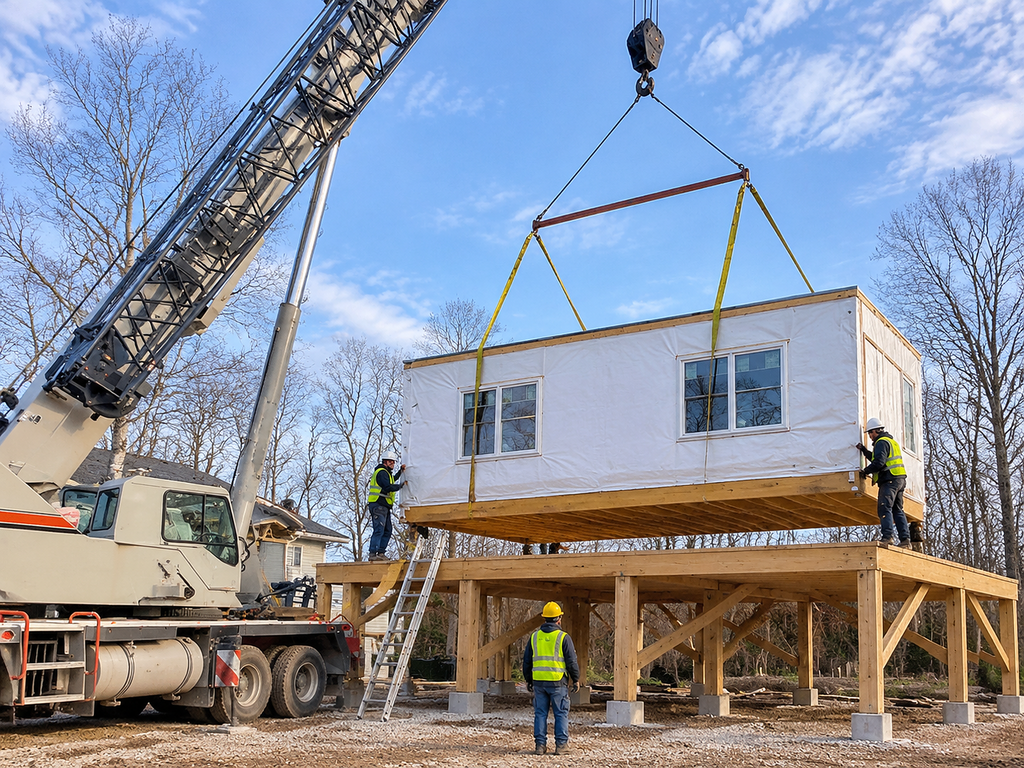
In Canada, building regulations are implemented through provincial and territorial systems, while municipalities generally manage local zoning and building permit applications.
For example, in Ontario, modular houses must comply with the Ontario Building Code and applicable municipal zoning bylaws.
A typical container house project may require:
- Municipal zoning confirmation.
- A building permit application.
- Architectural and structural drawings.
- Foundation and installation details.
- Electrical and plumbing approvals.
- On-site inspections and final occupancy approval.
Factory-built modular units may also need to provide appropriate inspection and certification documentation.
For overseas container house suppliers, understanding provincial construction standards and preparing suitable technical documentation can help make the approval process smoother for Canadian customers.
4. Australia: State and Local Council Requirements
Australia has a growing market for prefabricated and modular housing. However, container house approval requirements vary between states, territories, and local councils.
In general, a container house used as permanent accommodation must comply with the National Construction Code (NCC), together with relevant planning and building requirements.
For example, Queensland treats many prefabricated and transportable homes under the same planning and building framework as traditional residential buildings.
Depending on the project, approvals may involve:
- Local council planning approval.
- Building approval and certification.
- Structural engineering documentation.
- Plumbing and electrical compliance.
- Site preparation and foundation requirements.
In New South Wales, even shipping containers used as sheds, studios, or offices may require development consent, depending on the location and proposed use.
Therefore, buyers should check local council requirements before arranging delivery and installation.
5. New Zealand: Building Consent and Land Use Requirements
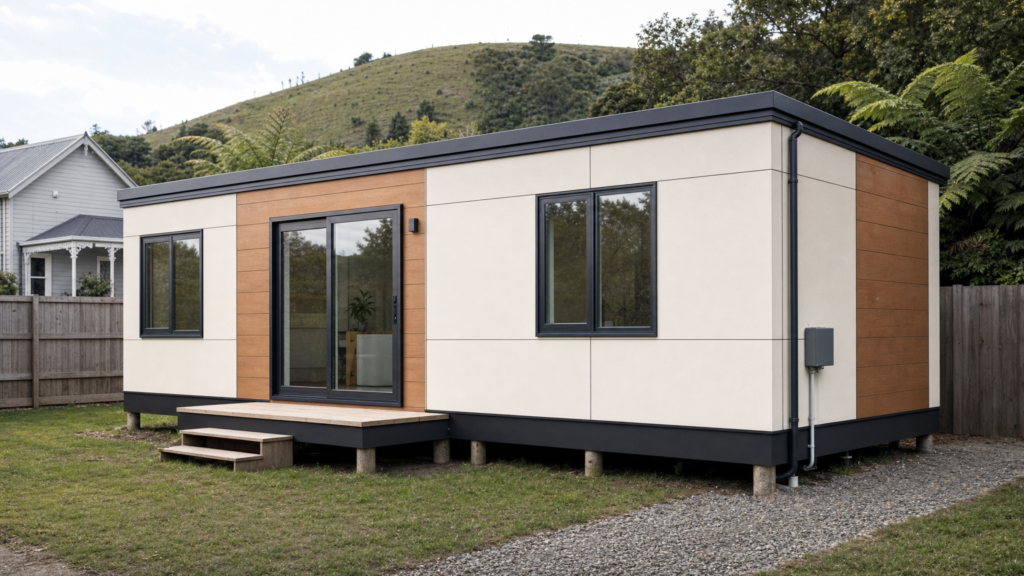
In New Zealand, container houses and other prefabricated buildings are subject to building and planning regulations.
According to guidance from Whangārei District Council, a building consent is required when shipping containers are used for purposes other than storage.
This includes situations where containers are converted into residential or commercial buildings.
Typical considerations include:
- Building consent from the local council.
- Compliance with the New Zealand Building Code.
- Foundation and structural requirements.
- Approved utility connections.
- District Plan and land-use requirements.
Even if a container house is manufactured overseas and delivered as a finished product, the owner remains responsible for ensuring that the installation complies with applicable local requirements.
6. Germany: Federal State Building Regulations
Germany has a well-developed market for modular construction, including container-based buildings.
Building regulations are primarily governed by the building codes of individual federal states (Bundesländer). As a result, permit requirements may differ depending on the installation location and project conditions.
Container buildings used for residential accommodation, offices, or other permanent purposes are generally assessed according to their intended use rather than simply being classified as movable containers.
Depending on the project, requirements may include:
- Building permit approval.
- Compliance with state building regulations.
- Fire protection and structural safety.
- Energy performance requirements.
- Local development and land-use regulations.
Temporary construction site facilities and event-related container buildings may follow different procedures, but their temporary status should always be confirmed with the relevant authority.
7. What Factors Determine Whether a Container House Needs a Permit?
Although regulations differ between countries, several common factors influence whether a container house requires approval.
1. Intended Use
A container used for temporary storage may be treated differently from one designed as a permanent residence, office, classroom, or commercial building.
2. Installation Method
A container house installed on a permanent foundation or connected to utilities is more likely to be classified as a building and subject to construction regulations.
3. Building Size and Configuration
The number of containers, total floor area, building height, number of stories, and structural modifications can all affect approval requirements.
4. Local Zoning Regulations
Even when a container house meets structural and safety standards, local zoning rules may restrict where it can be installed or how the property can be used.
5. Technical and Safety Standards
Authorities may request structural calculations, fire protection specifications, insulation details, electrical documentation, and other technical information.
8. How Can Prefabricated Container House Manufacturers Help?
For international buyers, choosing a professional prefabricated container house manufacturer is an important part of preparing a successful construction project.
Although building permits are normally issued by local authorities, manufacturers can help customers prepare the technical information needed for the approval process.
A reliable manufacturer should be able to provide:
- Detailed architectural and structural drawings.
- Product specifications and material information.
- Structural calculations and engineering documentation, where applicable.
- Insulation and fire-performance information.
- Electrical and plumbing layout drawings.
- Installation instructions and foundation recommendations.
- Relevant product testing and certification documents.
It is important to understand that factory documentation does not automatically guarantee local building approval. The final design and installation must still satisfy the requirements of the destination country and local authority.
Working with an experienced modular building supplier can nevertheless reduce communication difficulties and help customers prepare their projects more efficiently.
Conclusion: Check Local Regulations Before Installing a Container House
Container houses offer flexible, efficient, and scalable solutions for modern construction. From residential developments and workforce accommodation to temporary offices and commercial facilities, their applications continue to expand across international markets.
However, building permit requirements should never be overlooked.
Whether you are planning a container house project in the United States, the United Kingdom, Canada, Australia, New Zealand, or Germany, always confirm local planning and building regulations before purchasing land, ordering products, or starting installation.
Looking for a reliable prefab container house manufacturer?
We provide professional prefabricated container house solutions for residential, commercial, and industrial applications. With flexible designs, factory production capabilities, and technical documentation support, we help international customers explore efficient modular construction solutions.
Contact our team today to discuss your container house project and find a suitable solution for your local market.
KEEP EXPLORING
More News
News Article
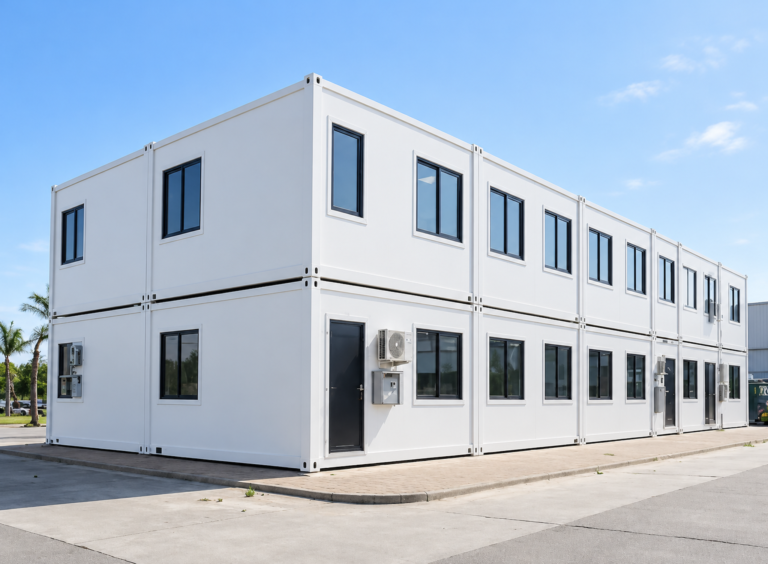
27 Series Flat Pack Container House: Six Key Advantages for Stronger, More Durable and Flexible Modular Construction
MZ ECO HOUSE Modular Building | Product News As demand for efficient, durable, and flexible modular building solutions continues to grow, MZ ECO HOUSE Modular Building introduces its upgraded 27…
View Details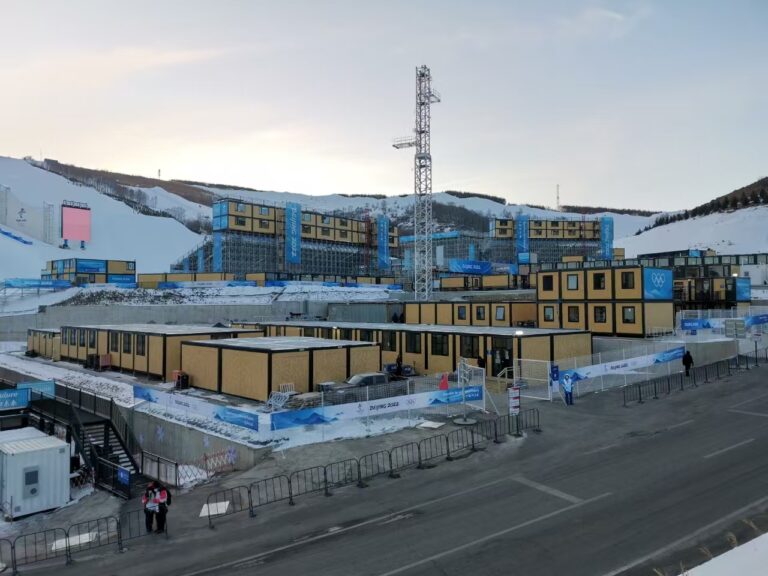
News Article
Project Spotlight: Prefabricated Container Buildings for the Beijing 2022 Winter Olympics in Zhangjiakou
Prefabricated container buildings supplied for the Beijing 2022 Winter Olympics in Zhangjiakou, delivered and assembled on a snow-covered mountain site under winter conditions.
View Details
News Article
Prefabricated Container House Industry: Emerging Trends and New Opportunities in Modular Construction
Date: October 23, 2026Category: Industry News The Prefabricated Container House Industry Continues to Evolve The prefabricated container house industry is gaining attention as the global construction sector explores more efficient,…
View Details