
BUYING GUIDES
Expandable Container House: A Flexible and Cost-Effective Building Solution
1. What Is an Expandable Container House? An expandable container house is an innovative prefabricated building designed to provide more usable interior space while maintaining a compact structure for transportation. Unlike traditional container houses, an expandable container house features a folding or extending design that…
1. What Is an Expandable Container House?
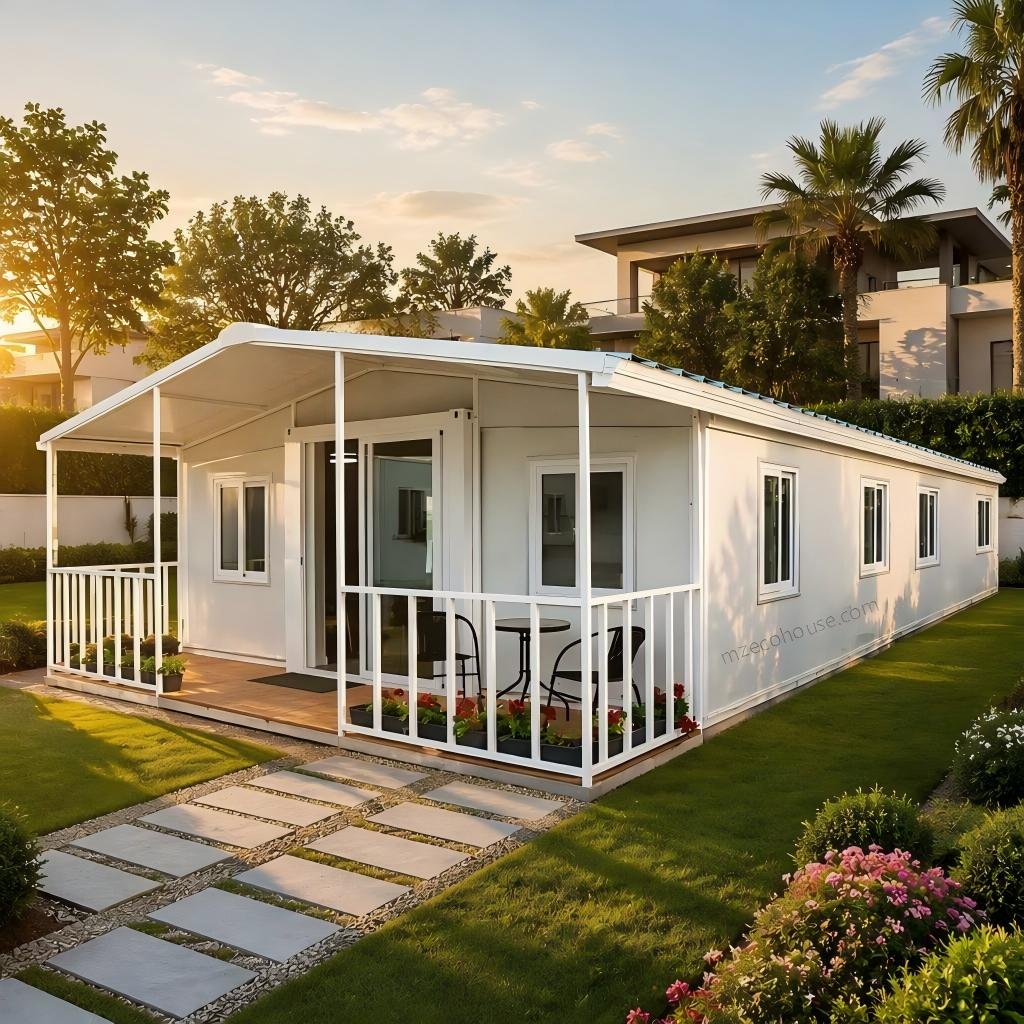
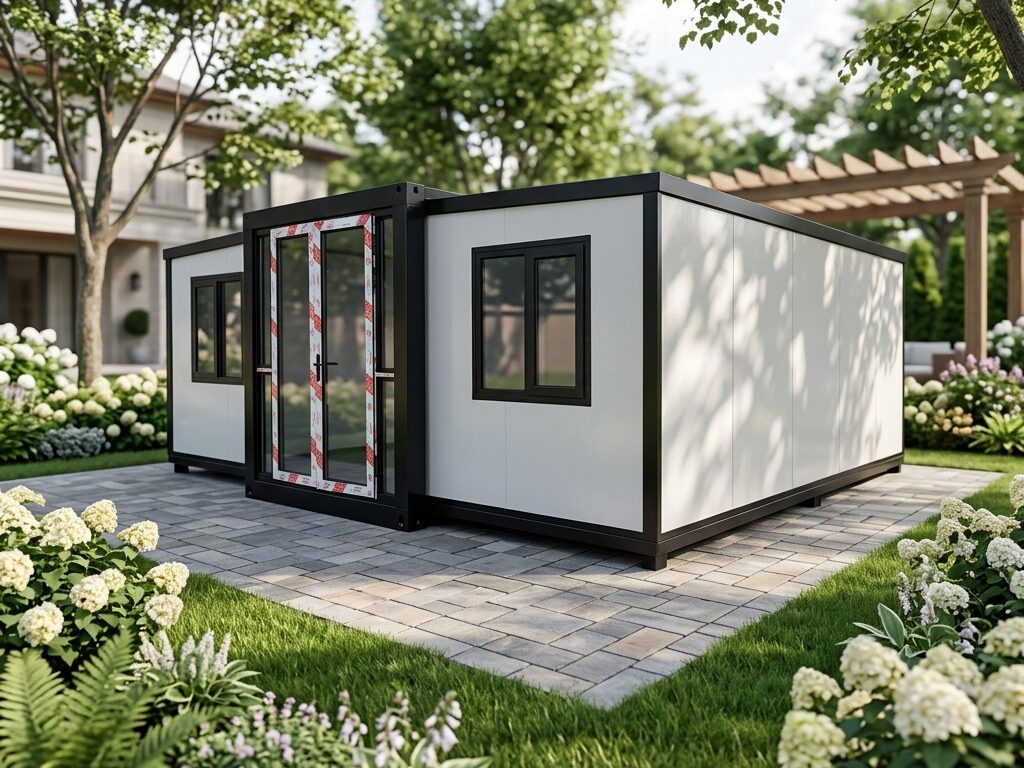
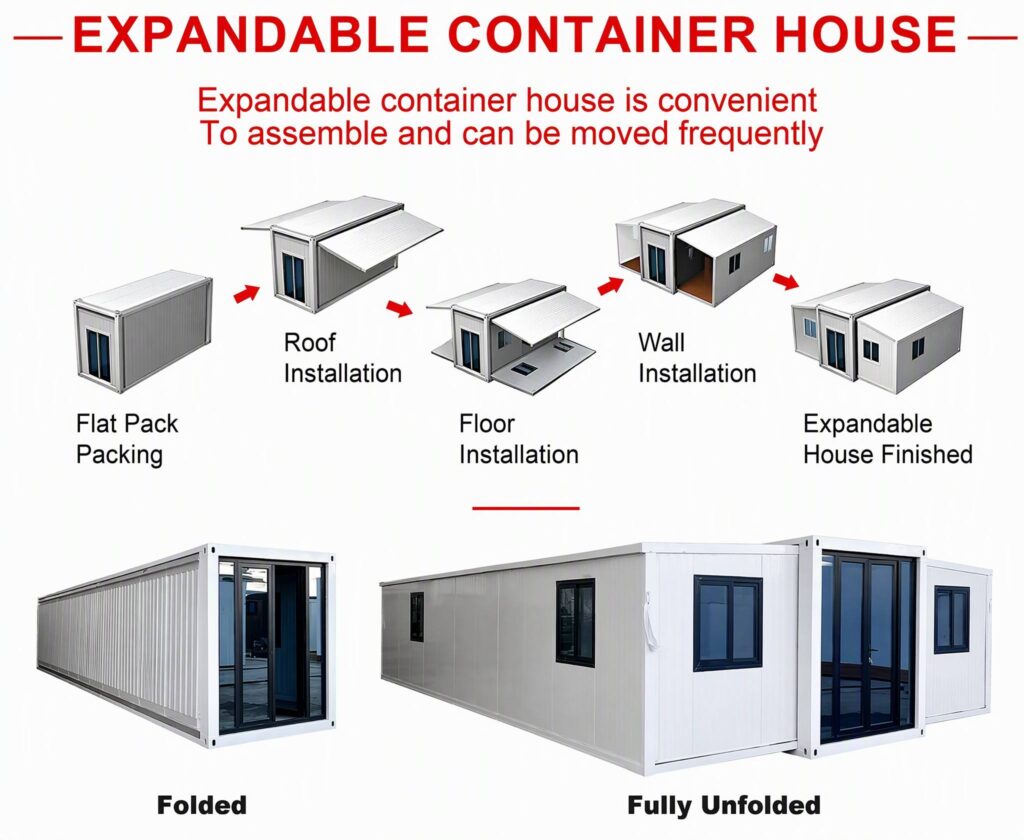
An expandable container house is an innovative prefabricated building designed to provide more usable interior space while maintaining a compact structure for transportation. Unlike traditional container houses, an expandable container house features a folding or extending design that allows the building to expand when it reaches its destination.
This design makes it an ideal solution for people and businesses looking for flexible, efficient, and affordable building options.
With a prefabricated steel structure, insulated wall panels, doors, windows, and optional interior facilities, an expandable container house can be configured for various applications, including residential housing, temporary offices, worker accommodation, holiday cabins, and emergency shelters.
As demand for modular and prefabricated buildings continues to grow, expandable container houses are becoming an attractive option for projects that require fast deployment and flexible space.
2. Key Advantages of Expandable Container Houses
2.1 Flexible and Spacious Interior
One of the biggest advantages of an expandable container house is its ability to create additional usable space after expansion. Its compact transportation dimensions help simplify logistics, while the expanded structure provides a more comfortable interior for everyday use.
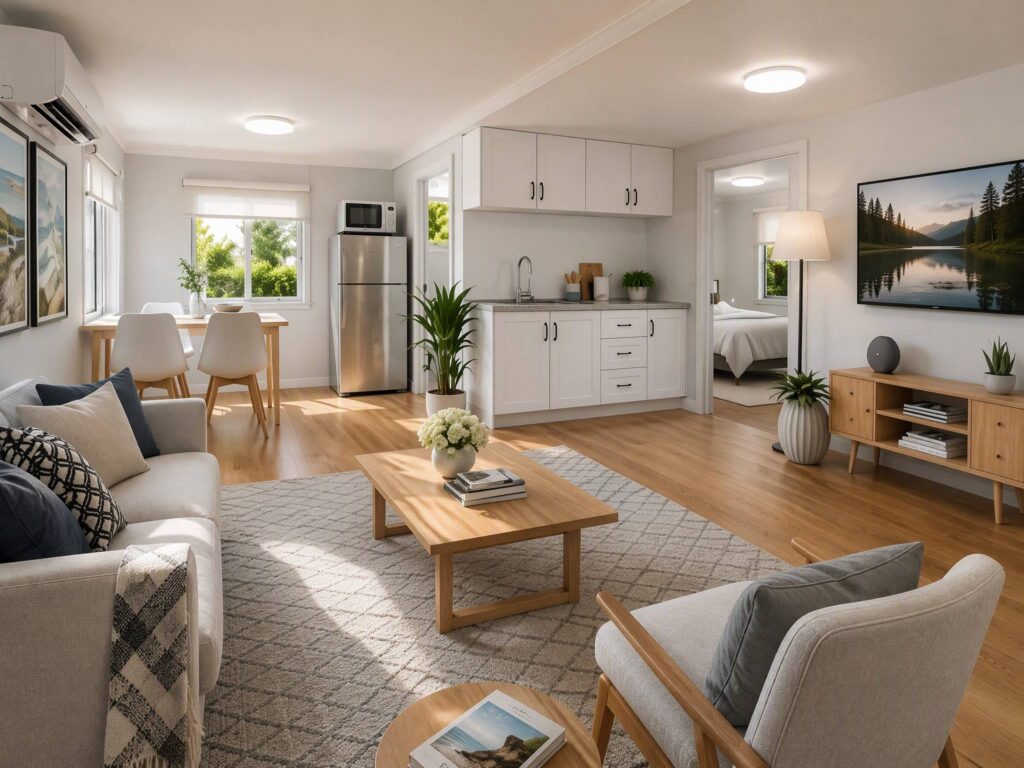
Depending on the model and floor plan, the interior can accommodate bedrooms, living areas, bathrooms, kitchens, and other functional spaces.
2.2 Fast and Convenient Installation
Traditional construction projects often require extensive on-site work, including structural assembly, wall installation, and interior finishing.
An expandable container house is manufactured in advance, helping reduce on-site construction work. Once the foundation and utilities are ready, the unit can be expanded and installed according to the manufacturer’s instructions.
This makes it suitable for projects with tight schedules or locations where conventional construction is difficult.
2.3 Cost-Effective Construction
Expandable container houses can help reduce overall project costs through prefabricated manufacturing, streamlined installation, and more efficient transportation.
For large-scale projects, standardized production and repeatable installation procedures may also improve construction efficiency.
Actual costs depend on the house size, materials, insulation requirements, interior configuration, shipping distance, and local installation expenses.
2.4 Easy Transportation and Deployment
The expandable design allows the house to be transported in a compact configuration and opened at the project site.
This can be particularly useful for remote construction sites, temporary accommodation projects, tourism developments, and disaster-relief operations.
Transportation efficiency depends on the specific product dimensions, loading configuration, shipping regulations, and delivery conditions.
2.5 Durable Structure and Comfortable Living
A quality expandable container house typically uses a steel structural frame and insulated wall and roof panels. These materials provide a practical foundation for a durable, comfortable prefabricated building.
Additional options may include thermal insulation upgrades, weather-resistant exterior finishes, double-glazed windows, electrical systems, plumbing, and ventilation.
For projects in areas with extreme weather, the structural design and specifications should be selected according to local wind, snow, seismic, and building-code requirements.
3. Applications of Expandable Container Houses
Expandable container houses can serve a wide range of residential and commercial purposes.
Residential Housing
They can be used as small family homes, backyard guest houses, temporary residences, or additional living space on private properties, subject to local regulations.
Worker Accommodation
Construction companies and industrial operators can use expandable houses to provide accommodation for workers near project sites. Multiple units can be arranged to create a practical accommodation camp.
Temporary Offices
An expandable container house can be configured as a site office, project management office, meeting room, or temporary workspace.
Tourism and Holiday Cabins
Resorts, campsites, and glamping operators can use expandable houses as guest cabins. Interior layouts and exterior finishes can be customized to match the property’s style.
Emergency and Temporary Shelters
Because they are prefabricated and designed for relatively rapid deployment, expandable container houses may also be suitable for temporary shelter projects, depending on transportation access, site preparation, and local requirements.
4. Expandable Container House vs. Traditional Construction
Expandable container houses and traditional buildings serve different needs. Understanding their differences can help buyers select the right solution.
| Feature | Expandable Container House | Traditional Building |
|---|---|---|
| Construction method | Prefabricated manufacturing | Primarily on-site construction |
| Installation | Generally faster | Often requires more on-site work |
| Transportation | Compact configuration may improve efficiency | Building materials transported separately |
| Design flexibility | Modular layouts and optional configurations | Broad architectural customization |
| Relocation | May be possible with suitable equipment | Usually difficult |
| Project cost | Depends on specifications and logistics | Depends on materials, labor, and design |
For projects that prioritize speed, mobility, and standardized production, an expandable container house may offer significant advantages. Traditional construction may be more suitable when a project requires highly customized architecture or must meet specific long-term building requirements.
5. How to Choose the Right Expandable Container House
Before purchasing an expandable container house, buyers should evaluate several important factors.
Size and Layout: Determine the required floor area, number of bedrooms, bathroom arrangements, and intended occupancy.
Structural Quality: Check the steel frame specifications, connection details, roof design, and applicable structural certifications.
Insulation and Climate: Choose appropriate insulation, windows, ventilation, and heating or cooling systems for the destination’s climate.
Interior Configuration: Confirm whether the unit includes flooring, lighting, kitchen cabinets, bathroom fixtures, plumbing, and electrical installations.
Transportation and Installation: Verify shipping dimensions, lifting requirements, foundation preparation, and the installation process.
Customization and Compliance: Discuss color, exterior materials, layout options, utility connections, and applicable local building codes with the manufacturer.
Working with an experienced expandable container house manufacturer can help buyers identify a suitable configuration and avoid unexpected project costs.
6. Why Work with a Professional Expandable Container House Manufacturer?
Choosing the right manufacturer is essential for product quality, delivery efficiency, and long-term performance.
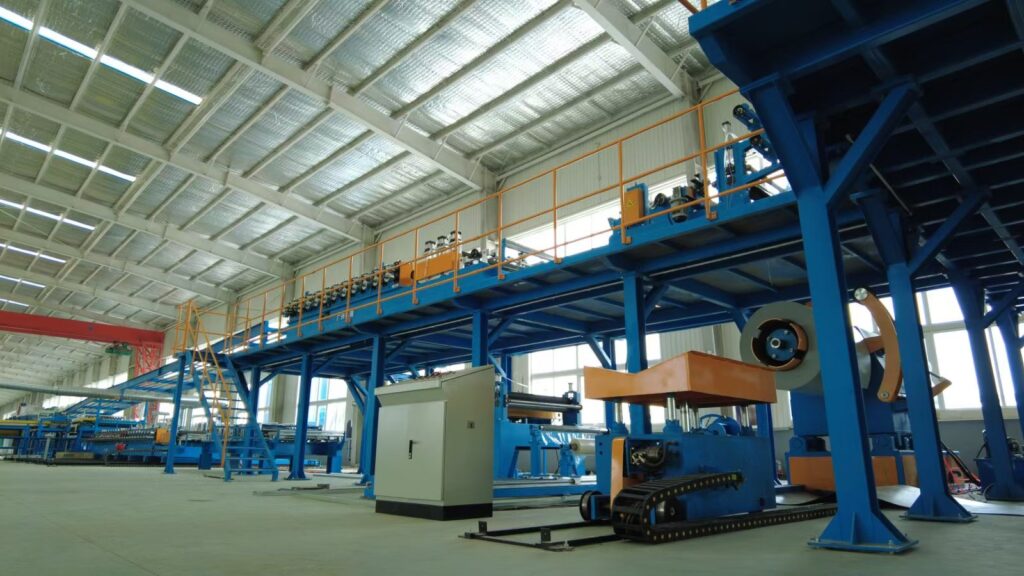
A professional manufacturer can provide standardized production, material selection, customization options, quality inspections, packaging support, and technical guidance.
For distributors, contractors, and project developers, the ability to supply consistent products and accommodate bulk orders can be especially important.
Before placing an order, buyers should request detailed product specifications, floor plans, installation instructions, warranty terms, and shipping information. Samples, factory inspections, or third-party quality inspections may also be useful for larger projects.
7. Conclusion: A Smarter Approach to Prefabricated Housing
Expandable container houses offer a practical combination of compact transportation, flexible interior space, prefabricated manufacturing, and convenient installation.
Whether you are planning worker accommodation, a temporary office, a holiday cabin, or a residential project, an expandable container house can provide a flexible alternative to conventional construction.
The key is to select the right design, materials, configuration, and manufacturing partner for your project.
Looking for a reliable expandable container house supplier?
Contact our team to discuss your project requirements, explore customization options, and request a product quotation. We can help you identify a suitable prefabricated housing solution for your market and application.
Contact Us Today to Get a Quote!
KEEP EXPLORING
More Blog
Blog Article
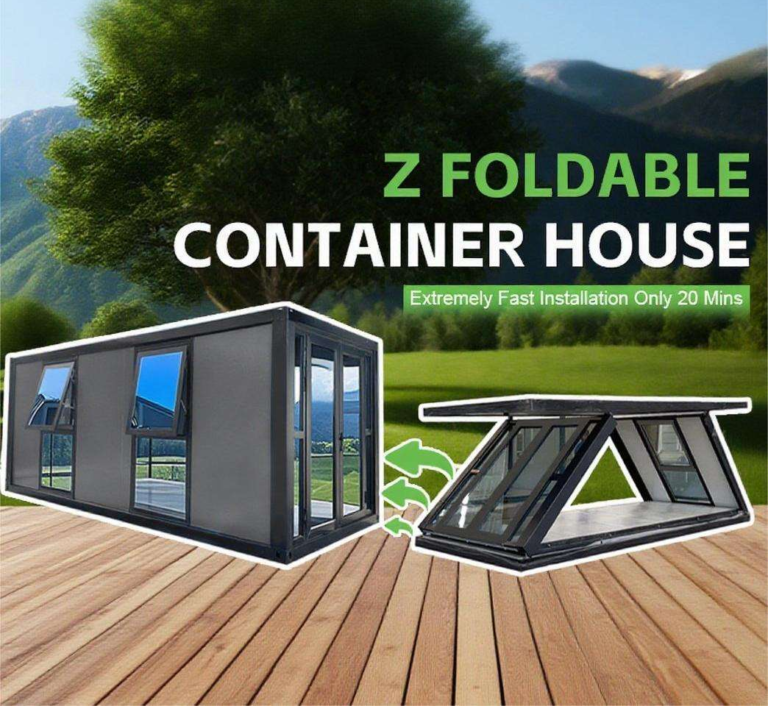
Z-Type Folding Container House: The Future of Fast, Flexible and Sustainable Modular Buildings
Z-type folding container houses fold flat to cut freight costs and unfold on site in minutes — fast, flexible, sustainable modular buildings by MZ ECO HOUSE.
View Details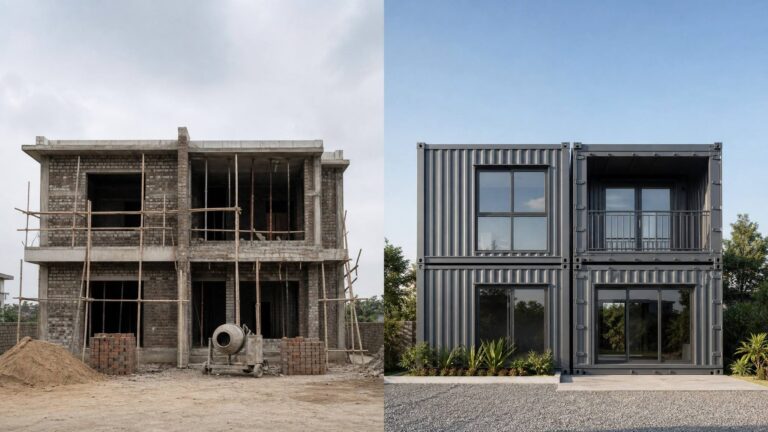
Blog Article
Prefab House vs Traditional House: Pros & Cons
Compare prefab and traditional houses by construction time, cost, shipping, installation, design flexibility and suitability for overseas projects.
View Details